Imagine running a business where your sales team uses one tool, your marketing team relies on another, and your customer support department works with completely different software. Now imagine employees spending hours transferring information between these systems.
Sounds exhausting, right?
That’s exactly what happens when business applications don’t communicate with each other. Important information gets scattered, employees waste time on repetitive tasks, and mistakes become almost unavoidable.
This is where API integration services come to the rescue. They help different applications exchange information, automate everyday processes, and work together more efficiently.
But connecting software isn’t always as simple as clicking a button. Successful API integration requires planning, testing, and ongoing maintenance. So, how can businesses make the process smoother? Let’s find out!
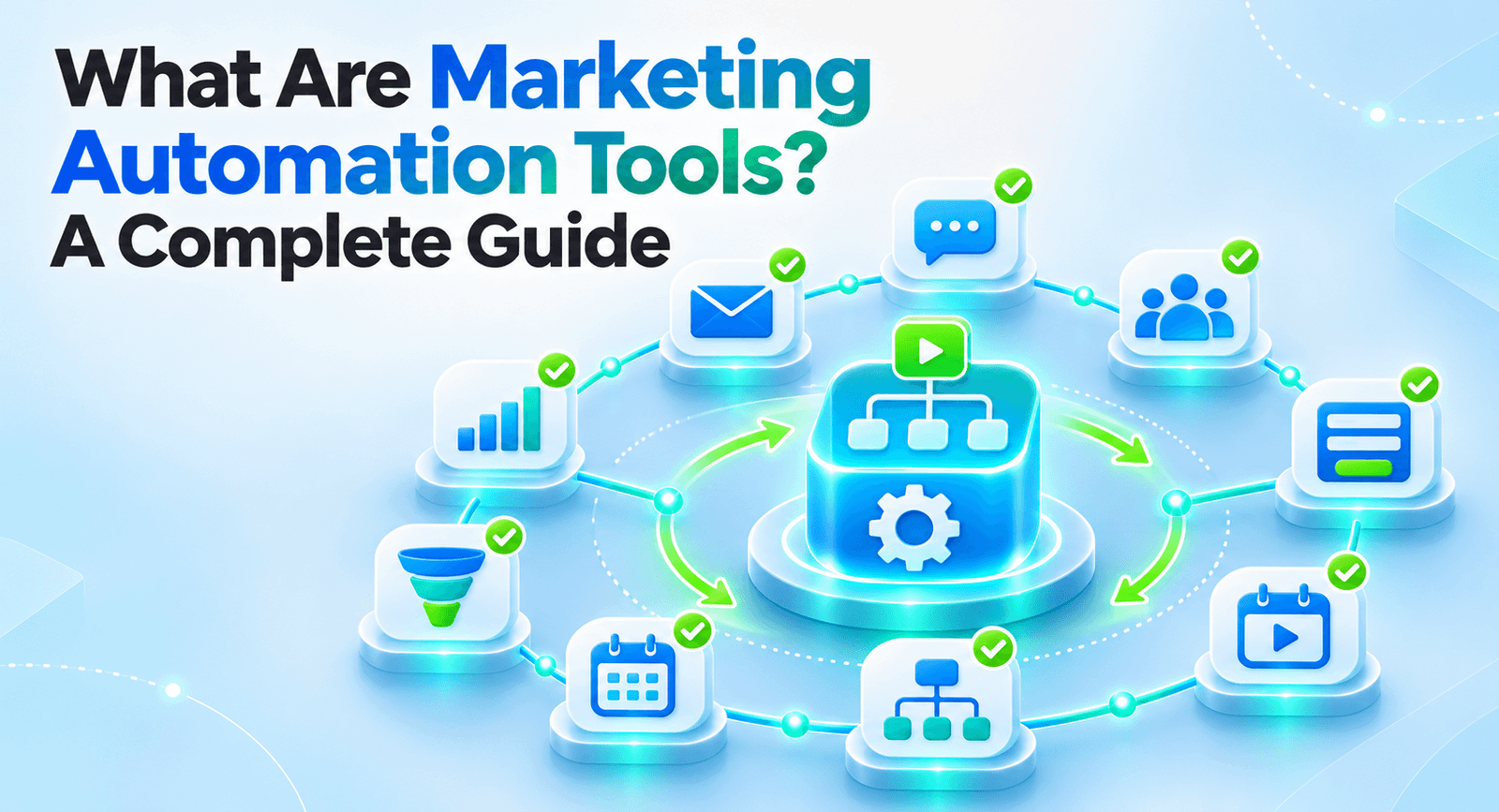
If you’ve ever wondered what are marketing automation tools, think of them as digital assistants that handle repetitive marketing activities using predefined rules and workflows. Instead of manually sending hundreds of emails, updating customer information, or scheduling campaigns, businesses can automate these processes through specialized platforms. These tools help marketing teams organize customer interactions, deliver relevant messages, and manage multiple campaigns without constantly switching between different applications or performing every task individually.
For example, imagine someone visits your website and subscribes to your newsletter. Instead of manually sending a welcome message, your automation system immediately delivers a personalized email. A few days later, it might send another message featuring relevant products or educational content. This automated sequence keeps customers engaged while allowing your marketing team to concentrate on creative strategies, campaign improvements, and building stronger relationships with potential buyers.
Marketing automation covers several activities, meaning businesses can choose platforms based on their specific requirements. Some solutions specialize in email campaigns, while others provide broader functionality across multiple marketing channels. Understanding the different categories helps organizations identify which features will genuinely improve their workflows. Rather than investing in every available technology, businesses should prioritize solutions that address their biggest challenges and complement their existing marketing strategies.
Common types include:
One of the biggest advantages of marketing automation software is the time it can save. Repetitive activities such as scheduling messages, organizing contacts, and distributing follow-ups can consume valuable working hours. Automation reduces the need to complete these tasks manually, allowing teams to focus on strategy and customer engagement. It also helps businesses maintain consistent communication, particularly when managing large contact lists or running multiple campaigns simultaneously.
Another major benefit is personalization. Instead of sending identical messages to everyone, businesses can divide audiences into groups based on their interests, previous interactions, or purchasing behavior. This approach helps make marketing communications more relevant. Many platforms also offer reporting dashboards that reveal campaign performance, allowing marketers to evaluate engagement, identify weaknesses, and make informed decisions about future activities rather than relying entirely on assumptions.
Choosing the right platform starts with understanding your business needs. Are you struggling with email follow-ups, customer segmentation, or managing campaigns across different channels? The answer should guide your decision. Look for automation marketing tools that offer practical features, straightforward navigation, and integrations with your existing systems. Pricing, scalability, customer support, and data security are equally important considerations, particularly for growing businesses with limited marketing resources.
Before committing to a platform, explore available demonstrations or free trials to understand how its workflows operate. Check whether your team can create campaigns without extensive technical knowledge and whether the reporting features provide actionable insights. Remember, the most expensive solution isn’t necessarily the most effective. A suitable platform should simplify everyday operations, support your marketing goals, and provide enough flexibility to accommodate your business as it grows
Understanding what are marketing automation tools is an important step toward creating a more efficient marketing strategy. These platforms help businesses reduce repetitive work, improve customer communication, and organize campaigns through structured workflows. However, successful automation requires thoughtful planning, relevant content, and regular performance monitoring. By choosing the right technology and combining it with a customer-focused approach, businesses can create meaningful marketing experiences while making better use of their time and resources.
Businesses use marketing automation tools to simplify repetitive activities such as email campaigns, lead follow-ups, customer segmentation, and social media scheduling. These systems perform predefined actions based on customer behavior or specific triggers, helping teams maintain consistent communication without manually completing every task. They also support campaign organization and performance tracking, making it easier for marketers to manage customer interactions and improve their overall marketing processes.
Yes, automation marketing tools can be valuable for small businesses, particularly those managing marketing activities with limited staff or resources. Automated welcome emails, appointment reminders, and lead follow-ups can help maintain customer engagement without requiring constant manual attention. Many providers offer entry-level plans with essential features, allowing businesses to start with simple workflows and gradually introduce more advanced capabilities as their marketing requirements expand.
CRM systems primarily help businesses organize customer information, manage relationships, and track sales interactions. Meanwhile, marketing automation software focuses on automating marketing activities such as email sequences, audience segmentation, and campaign workflows. Although their functions overlap, they serve different primary purposes. Many modern platforms integrate both capabilities, allowing marketing and sales teams to share customer information, coordinate communications, and create more consistent experiences throughout the customer journey.
Quick Links
Company
© 2026 GHL Protocol. All Rights Reserved.